
For Athletes & Teams

Train Your Mind Like
You Train Your Body

1
0
1
0
1
1
0
0
1

Get an X-ray of your athletes' mental strengths and blind spots. Unlock the next level of performance with data-driven precision.

Train Athlete Mindset

Support athlete psychology as much as physical training, with data-driven precision

Strengthen Team Culture

Build openness, mutual respect, and trust between teammates and coaches

Build Leadership Skills

Deliver data-driven insights that highlight growth areas with objectivity

Trusted by NCAA Athletic Programs

SMU

The Mental Edge

Major feats in athletic history aren't just physical, they're mental. When the pressure is on, the right mindset is what truly separates good athletes from the ones who make history.

Roger Bannister, English neurologist and middle-distance athlete who ran the first sub-4-minute mile in 1954

The 4-Minute Mile

For years, the world believed it was physically impossible for a human to run a mile in under four minutes. Scientists, doctors, and athletes all agreed. Many even believed it could be dangerous, that pushing the human body to that limit could cause serious harm.

Then in 1954, Roger Bannister (an English neurologist and middle-distance athlete) broke the barrier with a time of 3:59.4. And something remarkable happened: just 46 days later, John Landy broke it too. Within three years, 16 runners had achieved what was once thought impossible.

The barrier was never physical. It was psychological.

Coach embracing athlete

The Question That Matters

Do your athletes believe in themselves? Are their thought patterns supporting their performance or quietly sabotaging it? The mental game is no longer optional. It's the competitive edge.

Simone Biles
Michael Phelps

A Growing Awareness

From Simone Biles to Michael Phelps, elite athletes are finally talking about mental health. The stigma is fading. The question now is: are you giving your athletes the support they need?

How It Works

Coaches and teammates choose between two positive traits. Both are strengths. The data reveals balance and areas for growth.

In the last six months, which behavior is expressed more?

Example athlete

Rachel

Stoic

Maintains composure under pressure

Passionate

Channels emotion into performance

Collective Intelligence

When coaches and teammates converge on the same pattern, blind spots become clear. Creates a common language for mental performance.

No Wrong Answers

Both traits are valuable. The assessment reveals balance, preference, or overuse, helping identify where athletes may be overleveraging one trait.

Rooted in Polarity Science

Optimal performance requires dynamic balance between complementary traits. Binary inputs produce non-binary insights.

Unprecedented Self-Awareness

Every athlete's behavioral patterns are unique. Datababy provides customized insights on exactly what to develop.

Sprint Freestyler (2016 & 2020 Summer Olympics)

Bold, passionate, and energetic. Thrives on spontaneity and emotional intensity.

100% Big Picture
Detail Oriented 0%
100% Bold
Cautious 0%
89% Playful
Serious 11%
89% Self-Assured
Humble 11%
60% Collaborative
Autonomous 40%
60% Accepting
Questioning 40%
55% High Standards
Encouraging 45%
50% Empathetic
Objective 50%
Self
Coaches
Athlete
1 / 4

Results Interpretation

Biggest Strengths: Big-picture visionary who sees the forest instead of getting lost in trees. Fearlessly bold and willing to take risks others might avoid.

Growth Opportunities: Detail-oriented execution to ensure nothing falls through the cracks. Strategic caution to assess risks before diving in headfirst.

Mirror and Build Trust

Understanding someone's profile reveals what drives them. Mirror these patterns to build trust and communicate in a way that resonates.

Recognize Blind Spots

Their underused polarities reveal what they overlook. When they're struggling, bring complementary energy or encourage them to address their blind spots.

Team Dynamics

See how each athlete shows up in the team context. Tailor coaching approaches and identify growth opportunities.

Passionate

Stoic

100%
0%
100%
0%
89%
11%
60%
40%
60%
40%
55%
45%
50%
50%
11%
89%
Self
Coaches
Athlete

Real Results

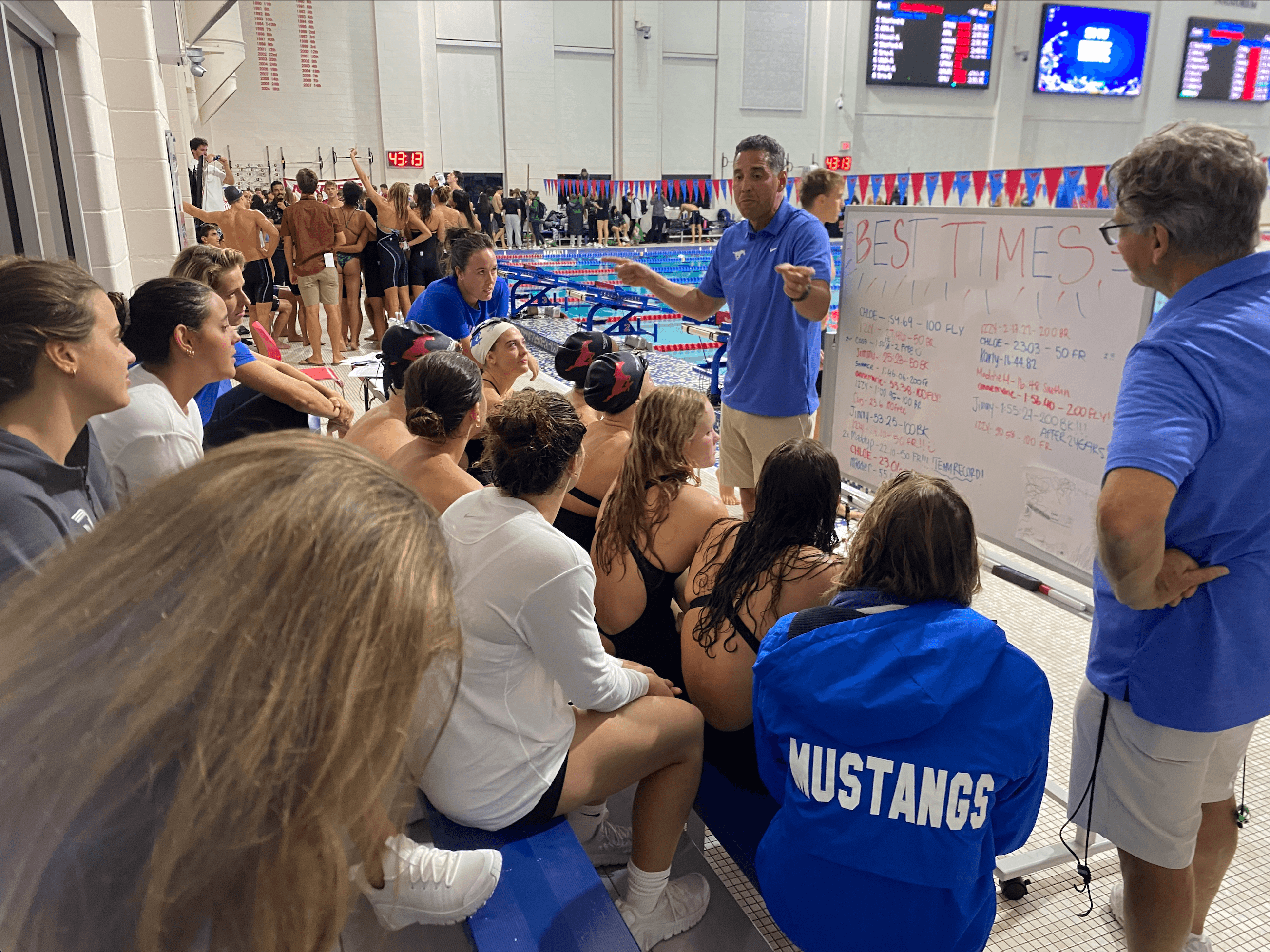
After participating in Datababy, one team saw nearly 20 personal bests and broke a team record within the following month.

Higher trust
Better composure
Faster resilience
Clearer communication
Stronger culture
Confident leadership

"I like it because the data reflects how you show up without putting a label on you. There's always something you can do to be better."

Mike Bottom, Former USA Olympic Coach

Is This Right for You?

This May Not Be For You If...

  • Expecting results without putting in the mental work
  • Not ready for honest feedback about your mindset
  • Looking for validation rather than growth opportunities

This Is For You If...

  • Ready to train your mind as seriously as you train your body
  • Coaches wanting objective data on athletes' mental game
  • Athletes committed to facing blind spots head-on
  • Teams ready for honest feedback that builds trust

Understand Your Team. Elevate Their Performance.

Build a stronger, more connected team with data-driven mental performance training.